
Professional growth often begins with recognising which skills you already have and identifying where you need further development. For people interested in planning, organising and coordinating work, project manager certification offers a structured way to understand how projects are delivered.
A qualification can introduce recognised methods and useful terminology, but its value extends beyond passing an examination. The knowledge gained can help individuals approach everyday responsibilities more confidently while preparing for future opportunities.
Understanding the skills behind successful projects
Project management involves bringing together people, resources, deadlines and objectives. Although every project has different requirements, many rely on similar professional capabilities. These include planning activities, communicating expectations, identifying risks and monitoring progress against agreed outcomes.
Certification programmes can explain how these activities connect. Instead of viewing tasks individually, learners develop a broader understanding of how decisions in one area may influence another.
This perspective can be particularly useful for administrators, coordinators, team leaders and professionals who contribute to projects without holding a formal project manager title.
Key insight: Project management knowledge is useful in many roles. You do not need to be responsible for an entire project to benefit from better planning, communication and organisational skills.
Building confidence through structured learning
One challenge for people entering project management is understanding unfamiliar terminology and processes. Concepts such as project scope, stakeholder engagement, governance and risk assessment may initially seem complicated.
Structured training can make these subjects easier to understand by introducing them progressively. Learners can explore the reasons behind common management practices and consider how those practices apply in different workplaces.
For a wider discussion of professional development, explore this guide explaining why project manager certification can support your career . It provides additional context on the relationship between qualifications, workplace experience and long-term career planning.

Applying knowledge in everyday responsibilities
Formal learning becomes more meaningful when individuals use it in practical situations. Even relatively small workplace activities can provide opportunities to apply project management principles.
For example, someone coordinating an internal initiative might create a task schedule, identify potential delays and communicate updates to colleagues. Another person may use a simple risk register to record concerns and decide which actions require attention.
Useful ways to practise include:
- Organising activities around clear objectives and deadlines.
- Recording responsibilities and monitoring outstanding tasks.
- Communicating changes to relevant colleagues.
- Identifying potential risks before they become problems.
- Reviewing completed work to identify improvements.
These experiences can provide practical examples for job applications and interviews, particularly when you can explain your contribution and the results achieved.
Choosing a certification for your career stage
Project manager certification is not a single qualification. Different programmes address different levels of knowledge, experience and professional responsibility.
Someone exploring project management for the first time may prefer an introductory programme. An experienced practitioner might instead consider a qualification that recognises established professional competence.
Before enrolling, review the entry requirements, assessment methods, study commitment and relevance to your intended career direction.
Official resources from the Association for Project Management and the Project Management Institute can help you investigate recognised learning and certification pathways.
Maintaining progress after certification
Completing a qualification is an achievement, but professional development should continue afterwards. Project environments evolve, and new responsibilities often require additional knowledge and experience.
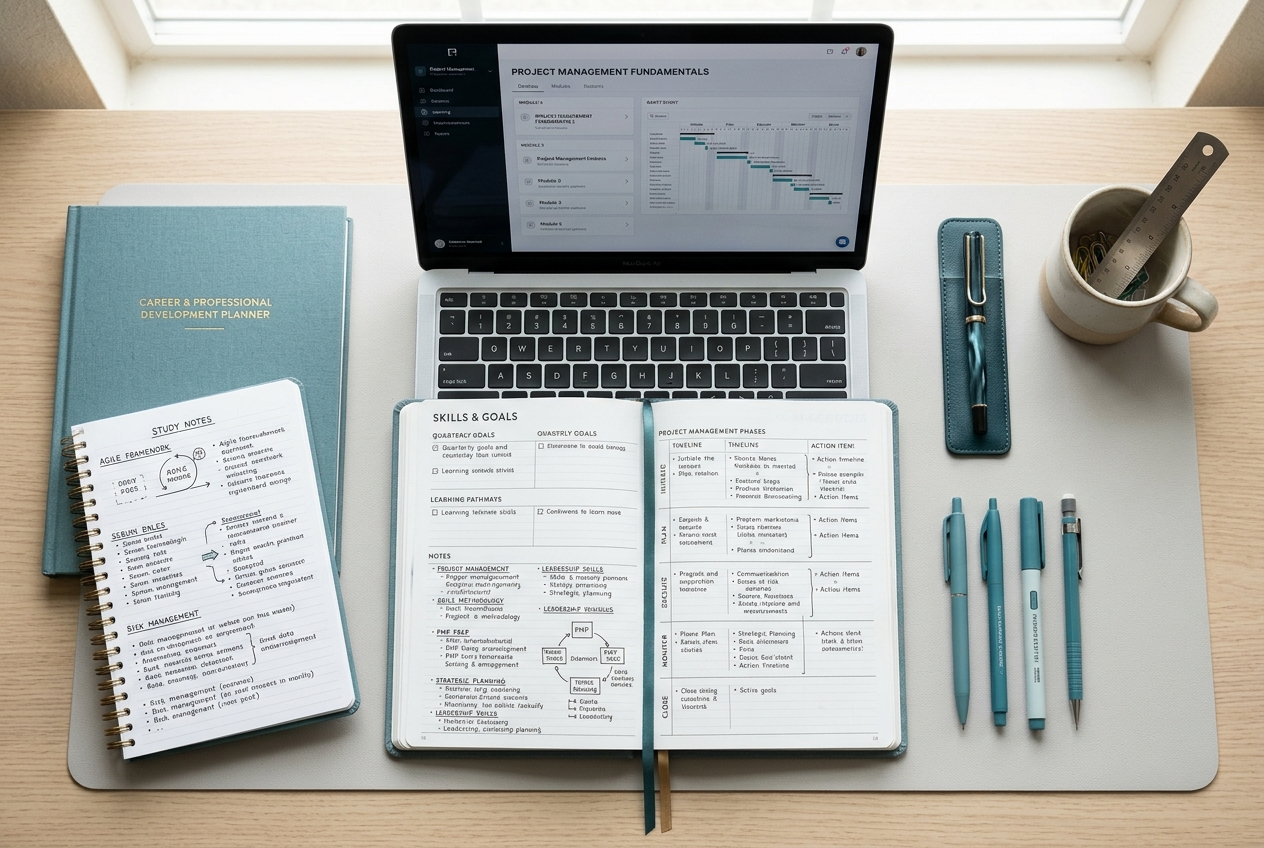
A practical development plan might include applying recently learned techniques, requesting feedback, documenting achievements and identifying areas for further study.
Over time, this combination of formal learning and practical application can help professionals make more informed career decisions.
Developing skills for future opportunities
Project manager certification can provide a valuable foundation for developing professional skills and understanding project-based work. However, qualifications are most useful when combined with relevant experience, realistic expectations and continued learning. By choosing an appropriate route and applying your knowledge, you can build capabilities that support your next career steps.